Panini Prizm Basketball Parallels Guide: Silver, Gold and Print Runs
Understand how Panini Prizm parallel counts expanded, then open the live season checklist for exact Silver, Gold /10, Black 1/1, and insert-parallel details.
By Brady, founder & editor
Last updated
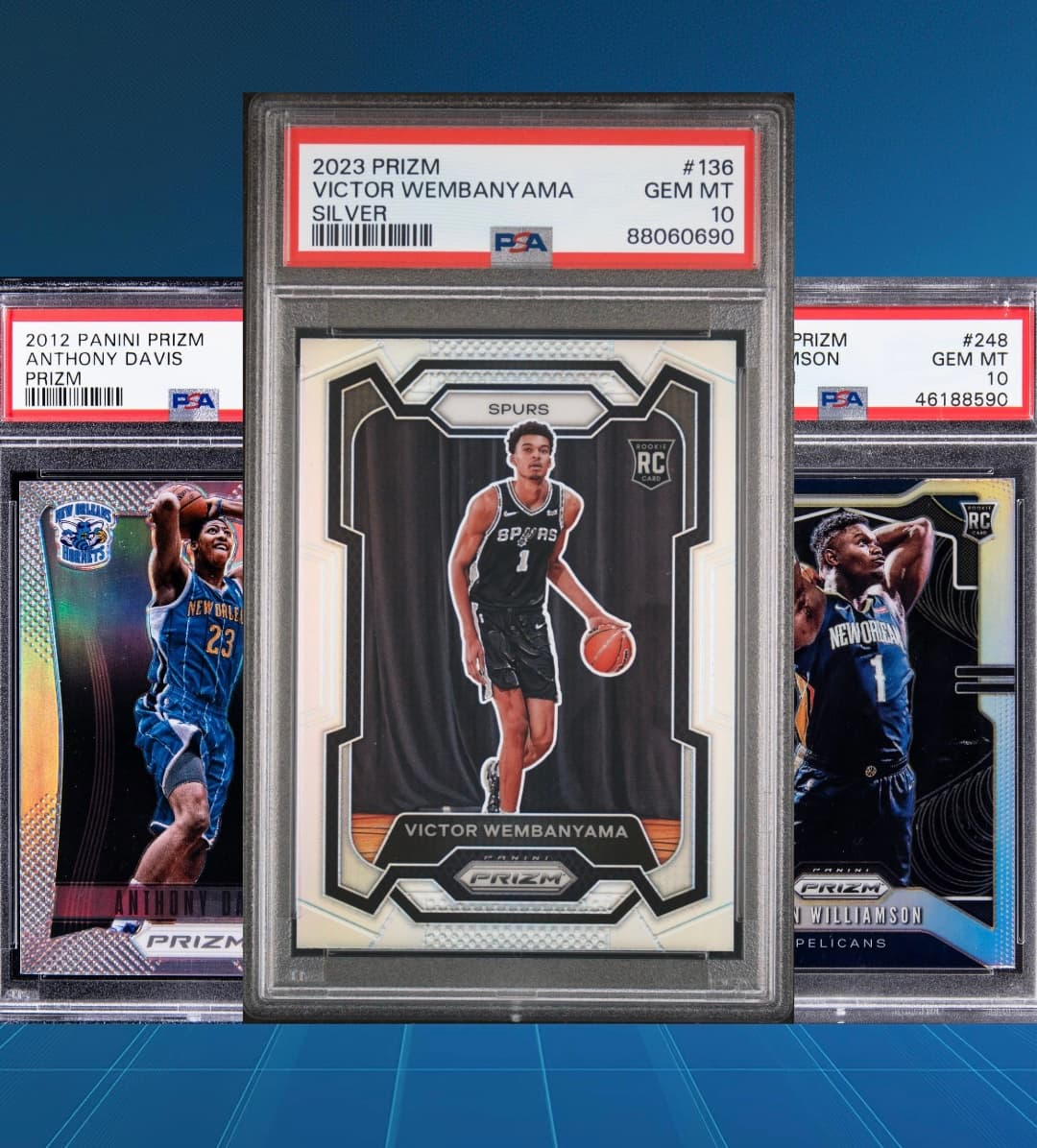
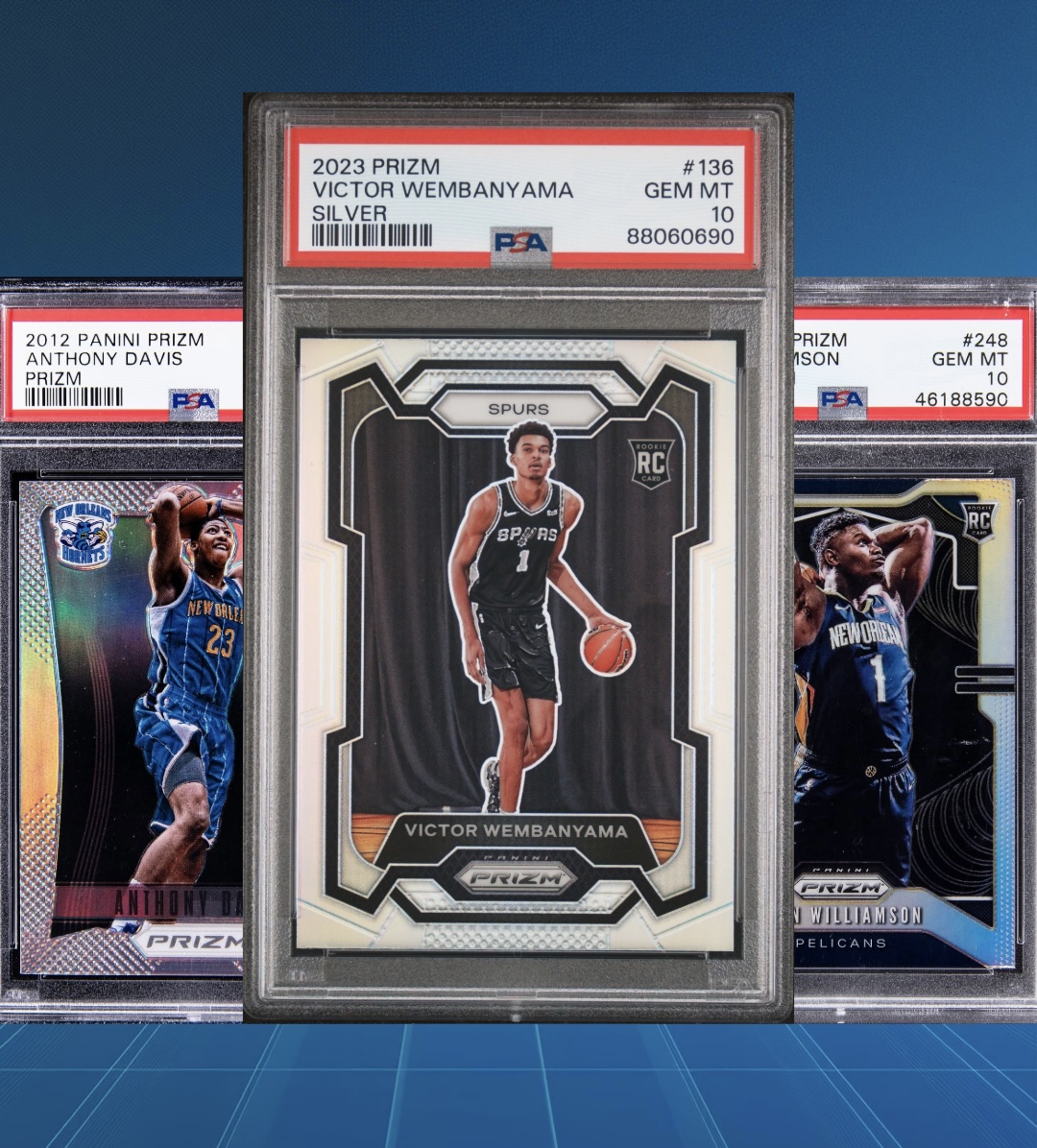
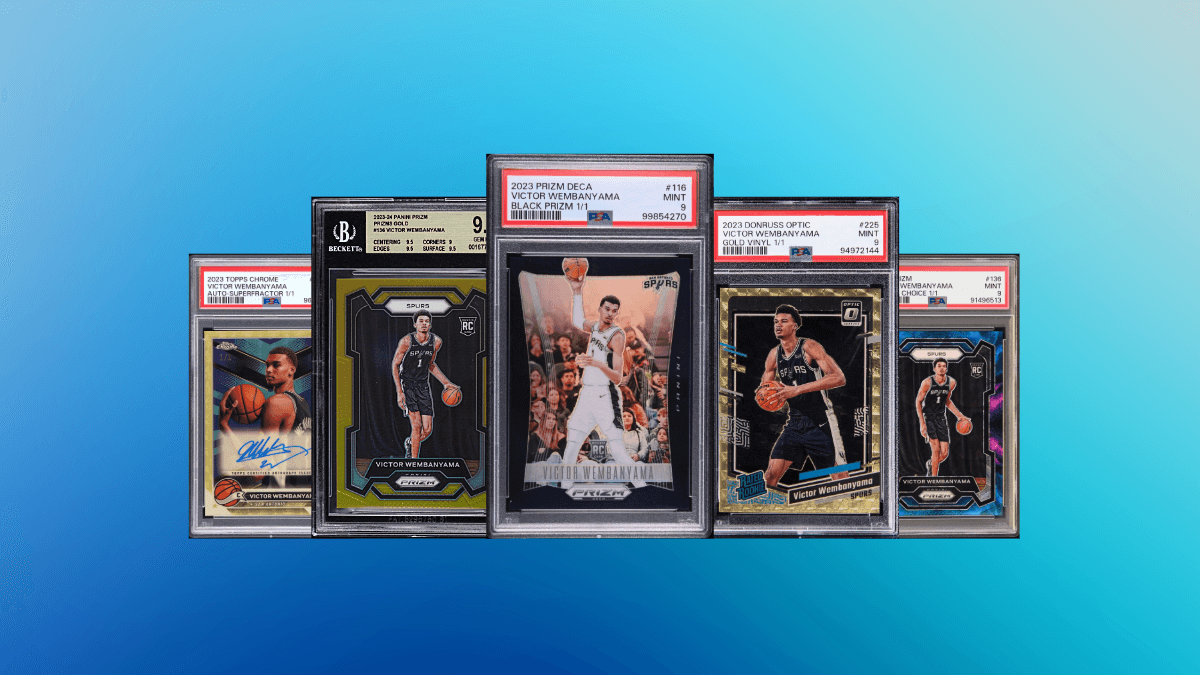
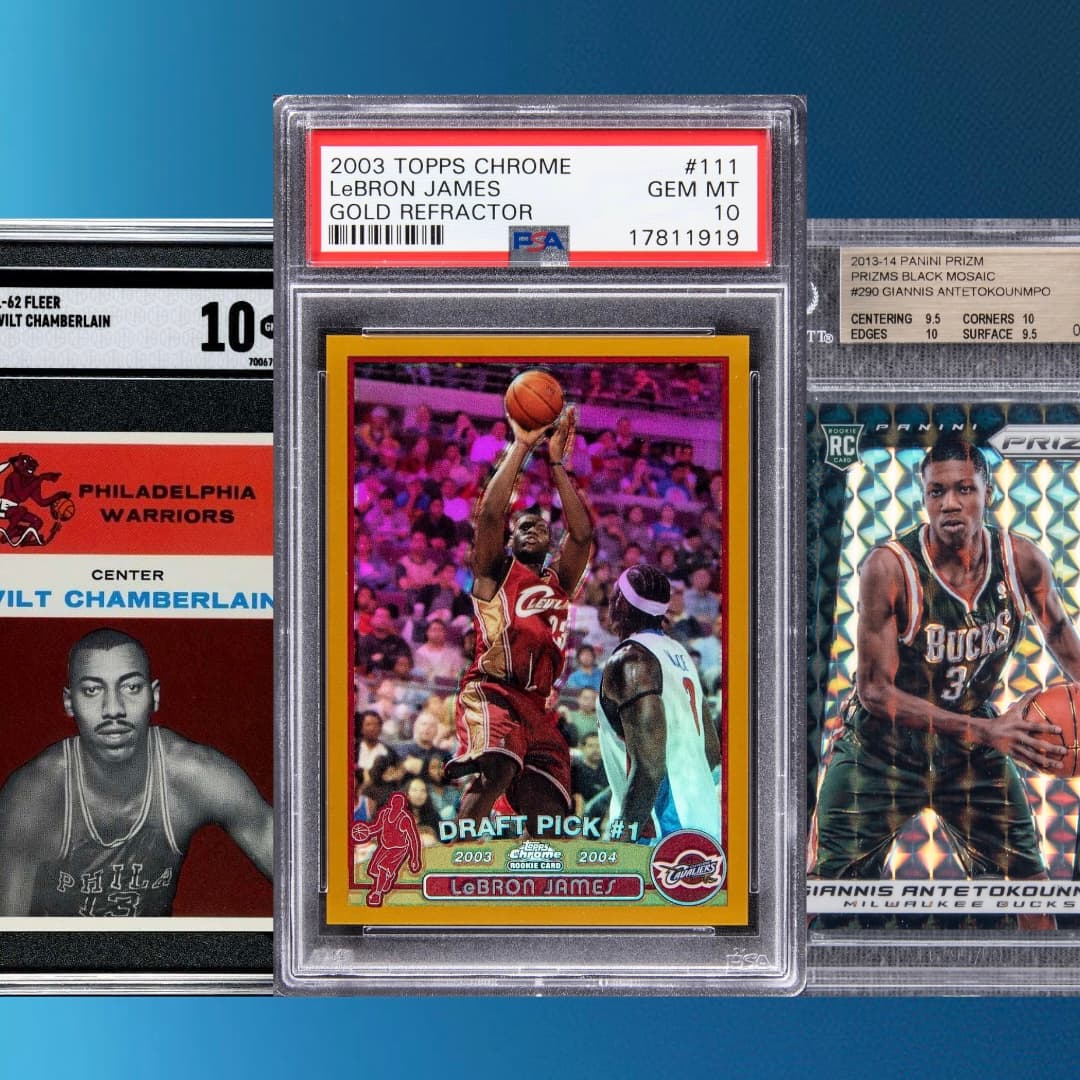
One of the defining characteristics of Panini Prizm is its ever-growing lineup of colorful and patterned parallels. What started in 2012-13 as a much cleaner flagship rainbow became, by the end of the Panini NBA run, a product family with so many parallel branches that many collectors stopped speaking the same language when they talked about "the" Prizm rookie they wanted.
The original 2012-13 release gave collectors just a few true base-set chase lanes: Silver, Gold /10, and Retail Green. By 2024-25, the final NBA-licensed Prizm release under Panini had pushed the base parallel menu into the low-80s once you account for the full mix of hobby, retail, Choice, Fast Break, and other channel-specific branches. That made boxes louder and more entertaining to rip, but it also made the secondary market much harder to read. This guide is meant to be a reference point for how much Prizm parallel counts and perceived print pressure changed, and what that should actually mean for collectors.
Use the live Prizm parallel checklist for exact seasons
This article owns the historical explanation: why the Prizm rainbow expanded and how that affects collector hierarchy. The live Panini Prizm parallel guide owns the exact product-season answer. Open it when you need to confirm whether a card is base, insert, serial-numbered, retail, Choice, Fast Break, or another release-specific branch. That separation keeps a dated editorial chart from pretending to be a current checklist.
YOY Growth in Parallels
The counts below refer to the expanding base-set parallel menu across each annual Prizm release, not insert-only or autograph-only parallels.
Release Year | Number of Parallels | YOY Change (%) |
|---|---|---|
2012-13 | 3 | N/A |
2013-14 | 11 | +266.7% |
2014-15 | 17 | +54.5% |
2015-16 | 14 | -17.6% |
2016-17 | 13 | -7.1% |
2017-18 | 25 | +92.3% |
2018-19 | 36 | +44.0% |
2019-20 | 40 | +11.1% |
2020-21 | 44 | +10.0% |
2021-22 | 58 | +31.8% |
2022-23 | 52 | -10.3% |
2023-24 | 63 | +21.2% |
2024-25 | 82 | +30.2% |
Collector Insight: The Parallel Explosion
More color did not create equal demand. The biggest thing the parallel explosion did was widen the gap between the few colors the hobby always circles back to and the many colors collectors only care about while the product is fresh.
Retail, hobby, and branch formats fractured the market. Choice, Fast Break, retail exclusives, Fanatics variants, and late-cycle hobby-only colors made it much harder to compare one Prizm card to another unless you already knew the hierarchy.
Silver stayed liquid, not scarce. Silver is still the language most collectors use first because it is easy to comp and broadly recognized. That does not mean it remained rare once modern print runs exploded.
Investment tip: Gold /10, Black 1/1, and a short list of hobby-memory parallels such as Choice Nebula, Black Gold, or the strongest team-color versions are still where the cleaner long-term Prizm money tends to sit. A long checklist alone does not create a long-term lane.
In addition, the number of PSA 10-graded rookie cards has exploded along with the product itself. Prizm did not just print more cards. The hobby also learned to grade them faster, harder, and at industrial scale.
Silver Prizm PSA 10 Population Growth for Key Rookies
These are rounded snapshot figures meant to show the direction of the grading boom, not serve as a live population report down to the last slab.
Year | Player | Approx. PSA 10 Population |
|---|---|---|
2012-13 | Anthony Davis | 30+ |
2013-14 | Giannis Antetokounmpo | 80+ |
2015-16 | Nikola Jokić | 180+ |
2017-18 | Jayson Tatum | 900+ |
2019-20 | Zion Williamson | 1,800+ |
2021-22 | Cade Cunningham | 1,400+ |
2023-24 | Victor Wembanyama | 4,300+ |
Collector Insight: The PSA 10 Boom
Earlier years still feel structurally different. Anthony Davis, Giannis, and early Jokić Silvers came from a version of Prizm where both print runs and grading volume were dramatically smaller.
A PSA 10 is no longer automatic scarcity. Once you get into the Zion, Cade, and Wembanyama years, the label still matters, but it no longer solves oversupply on its own.
Gem rate context matters. Some years are easy to grade, some are not, and the collector market eventually figures that out. A lower pop from a harder-to-gem year often ages better than a giant modern population backed by pure submission volume.
Investment strategy: If you are buying ultra-modern Prizm, stacking Silver PSA 10s is usually the lazier thesis. Lower-numbered flagship color, true premium parallels, and select autograph or patch-auto lanes often give you a better chance to own something the market keeps respecting.
Key Takeaways for Collectors
1. Print Runs Are Growing, So Be Selective
Prizm from roughly 2012 through 2016 still feels like a different product family than the 2018-and-later versions, both in parallel count and in overall market noise.
If you are buying modern Prizm, focus on hierarchy rather than color quantity. Not every named parallel deserves real money just because it is new.
2. PSA 10 Populations Impact Scarcity
Older rookie cards still hold structural value partly because far fewer gem-mint copies exist.
Modern Prizm rookies can be famous, liquid, and still not especially scarce in PSA 10 form.
If you want differentiation, consider lower-numbered flagship color, better eye-appeal raw copies, or premium rookie constructions outside the most crowded Silver lane.
3. The Parallel Explosion Creates Opportunities
The sheer size of the rainbow actually helps disciplined collectors because the market keeps telling you which lanes it trusts most. Gold, Black, and a few iconic side branches keep separating themselves from the clutter.
Some retail-exclusive or late-cycle branch parallels can still work, but they usually need true scarcity, strong eye appeal, or clear hobby memory. Most do not get there.
The more crowded Prizm gets, the more important it becomes to buy the few parallels the room would still care about five years from now.
Final Thoughts
Panini Prizm remained a flagship product all the way through the end of its NBA-licensed run, but the collector lesson changed over time. Early Prizm rewarded broad ownership because the set was cleaner and the supply was smaller. Late Prizm rewarded selectivity because the rainbow became much louder than the real long-term hierarchy.
For serious collectors and investors, the point is not to fear Prizm. It is to stop treating every Prizm parallel like it belongs in the same conversation. Silver still matters because it is liquid. Gold /10 and Black 1/1 still matter because they are structural grails. Everything else has to earn its place.
Reading Progress
0%
Reading Map
Pressure-test the set before you buy it
Use Buy Smarter to decide whether the product strength lives in the full set, the parallel tree, or one overcrowded lane that no longer deserves automatic money.
BCI Dispatch
Make the next card decision with better context.
Get collector-first guides, rankings updates, verified sales, and the market context that matters before you buy.
Have a player, set, card, or budget question instead? Open the Collector Mailbag.
Continue reading