New collector guide
Start collecting basketball cards with a plan.
Choose a lane, make one disciplined first buy, and avoid the expensive beginner mistakes.
Step 1
Choose your collector path
Pick the reason you are here first. Each path sends you to the most useful next decision instead of asking you to read the whole guide in order.
I collect my favorite players
Begin with one player, one rookie lane, and one spending cap.
Find your playerI want the safest beginner buy
Start with flagship or chrome before you chase anything exotic.
Compare entry lanesI care about long-term upside
Buy fewer cards, but make each one pass a real conviction test.
Build a buying frameworkI like ripping wax for fun
Treat wax like a night out, not like a disciplined portfolio move.
See the common trapsStep 2
What to buy first
You do not need to understand every brand. Open the lane that sounds like you and compare its best first move with the risk to avoid.
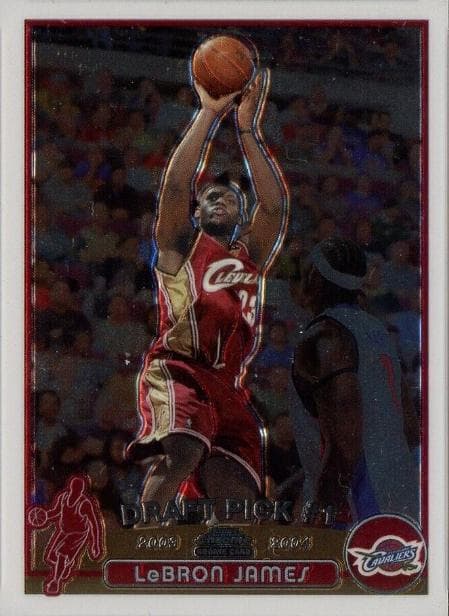 Entry laneFlagship / chromeOne clean rookie flagship or chrome card of a player you actually believe in.
This is the easiest beginner lane because most collectors understand it immediately. It is usually the cleanest place to learn comps, condition, and resale.
Watch out: Do not replace one strong rookie with a pile of random parallels just because they look rarer.
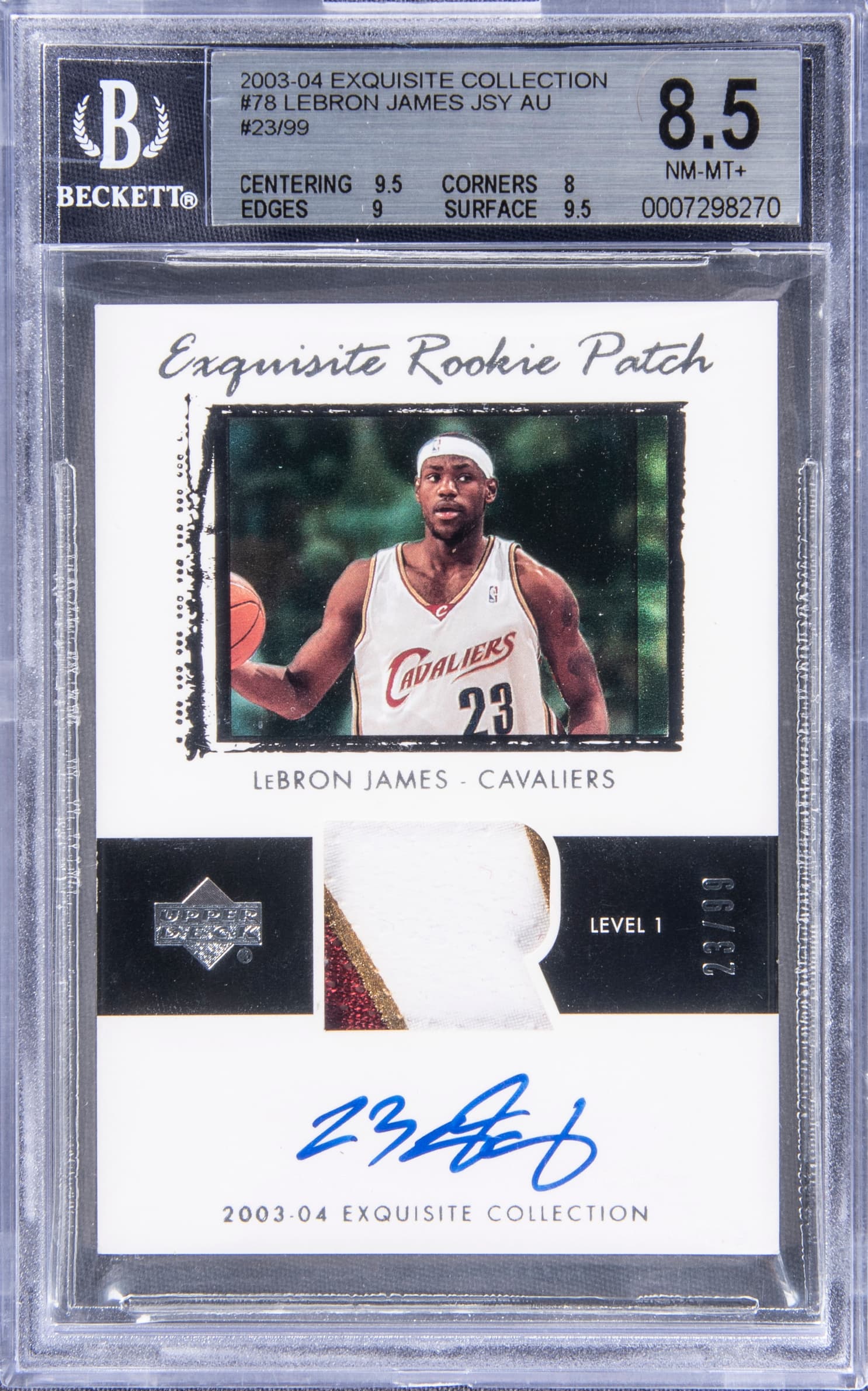 Entry lanePremium / grailOnly buy here if you already know why the specific card matters, not just why the brand sounds premium.
This is the trophy-card lane: premium patch autos, luxury brands, and statement pieces. It can be great, but it is a bad beginner lane if you are still learning what drives demand.
Watch out: A premium-looking card is not automatically a strong long-term card.
 Entry lanePlayer-firstPick one player, then learn the two or three rookie-card lanes collectors actually respect for that player.
This is the best path if you care more about a favorite player than about brand history. It keeps the hobby personal and helps you avoid random buys.
Watch out: Do not chase every parallel of the same player before you learn which ones really matter.
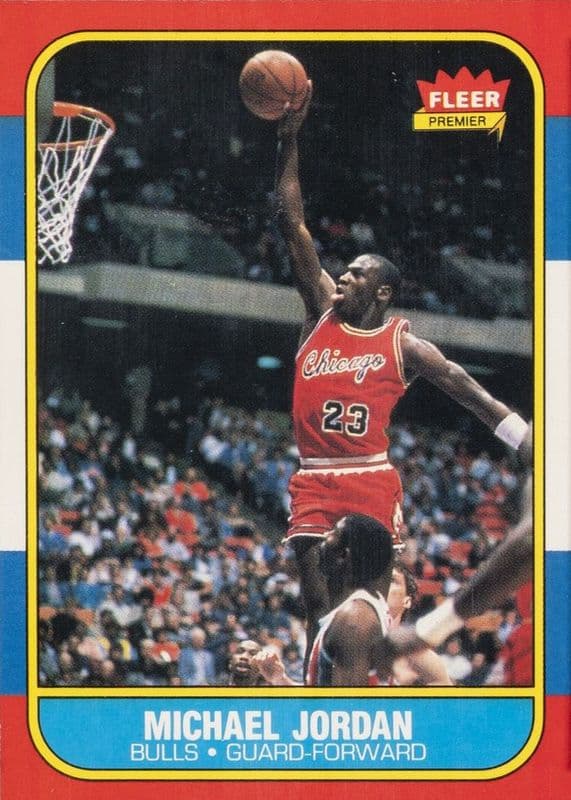 Entry laneHistory / set-firstStart with one famous set and one card you would still enjoy owning if prices never moved.
This lane fits collectors who love cardboard history, iconic designs, or learning the hobby through great sets instead of current rookies.
Watch out: Do not buy unfamiliar older cards just because they are old or numbered.
Step 3
Build a first-card budget
A beginner budget should feel disciplined, not busy. Start with the budget you actually have and open only that lane.
Budget 01Under $100Think one card, not a ten-card pile.
Buy one clean entry card in a lane other collectors already trust. Leave room for shipping, tax, and patience.
Avoid: A stack of low-end numbered cards, random retail wax, or five players you barely care about.
Budget 02Under $300Usually one anchor buy plus one smaller complement works best.
Build a two-card foundation: one recognizable rookie lane and one card you would genuinely want to keep long term.
Avoid: Trying to build a mini-portfolio of random names before you have one clear anchor card.
Budget 03Under $1,000Spend like you are building a first real position, not chasing variety.
Concentrate the budget. One strong anchor card or one anchor plus one thoughtful second piece beats five half-conviction buys.
Avoid: Forcing luxury cards you do not understand yet just because the budget is bigger.
Step 4
Avoid the five beginner traps
Scan the five repeat offenders, then open only the one you want to understand or fix.
01Buying random wax
Do this instead: Keep wax on a separate fun budget and build the real collection with singles.
Why it hurts: Wax feels productive because there are more cards involved, but beginners usually learn faster and lose less money by buying singles on purpose.
02Overreacting to numbered cards
Do this instead: Ask whether collectors actually care about the brand, rookie lane, and card type before the serial number impresses you.
Why it hurts: Scarcity helps only when the card itself matters. A weak card with a small print run is still a weak card.
03Grading too soon
Do this instead: Buy better cards first. Grade only when condition certainty changes the card's value, liquidity, or long-term importance.
Why it hurts: A slab does not rescue a card you should not have bought in the first place.
04Chasing too many players
Do this instead: Start with one player, one format, or one budget lane until your preferences become clearer.
Why it hurts: A scattered first collection usually means scattered learning too. Focus makes everything easier.
05Confusing hype with liquidity
Do this instead: Look for cards with real comps, buyer trust, and recognizable demand instead of whatever feels loudest online.
Why it hurts: A card can be exciting for a week without becoming a card that experienced collectors actually keep chasing.
Step 5
Check a sold comp
A comp is a completed sale that helps you judge a similar card. Check the match before using its price.
- Match the exact card. Confirm the season, product, player, card number, parallel, autograph or memorabilia treatment, and grading company and grade. Raw condition and patch quality matter too. A matching grade does not prove the same physical copy.
- Use completed sales. Open the original record and check the sale date, quantity, and confirmed price. An asking price, hidden accepted offer, or multi-card lot cannot establish an exact single-card comp.
- Compare the same price basis. Check whether the result includes a buyer's premium. Add shipping and tax to your buying budget; subtract selling fees and shipping when estimating what you would receive.
- Let limited evidence stay limited. Prefer several recent matches. Older sales, nearby grades, and different parallels provide context; they do not establish today's exact value. If no reliable match exists, say the evidence is insufficient.
Step 6
Know when grading actually matters
Grading matters when it changes the outcome. It does not need to be part of the hobby on day one.
Grade it when...4 quick checks
- The card is clean enough that a strong grade is believable.
- The card is liquid enough that condition changes value or resale ease.
- The card is meaningful enough that you would still care about it in a year.
- You understand why this specific card is worth protecting or selling in graded form.
Hold off when...4 quick checks
- You cannot explain why the grade matters.
- The card is common, replaceable, or already shows condition risk.
- The grading fee would eat too much of the card's value.
- Improving your buying would help more than grading your current cards.
Simple rule: If grading would not clearly improve value, confidence, or long-term keepability, wait.
Step 7
Take one useful next step
Once the basics click, choose one deeper BCI surface based on the decision in front of you.
Best all-around handoff
Buy Smarter
Move here when you want sharper help with what to buy, how sets work, which traps to avoid, and how experienced collectors frame a decision.
Open Buy SmarterOr go straight to a tool
Collector Mailbag
Ask before the bad buy, not after it.
Send us the player, set, card, or budget decision that still feels unclear.