Tier One#1-2
Blue-Chip Topps
These are the Topps-era cornerstone releases that most consistently anchor the modern discussion around iconic Topps basketball cards.
#1 Topps Chrome#2 Topps Finest
Ranking Board
The Topps basketball rankings page now mirrors the Panini hub with the same collector-board structure, tier graphic, and visual explainer treatment.
Ranking board
12 ranked Topps releases
Scope
1957-58 through 2008-09
Focus
History + collector prestige
Expanded Board
Twelve Topps-era basketball releases sorted by rookie-card strength, innovation, design identity, and long-term market pull.
Blue-Chip Topps
#1-2
Collector Staples
#3-6
Historical Core
#7-9
Niche Premium
#10-11
Deep Sleeper
#12
Expanded Collector Board
This mirrored collector board keeps the Topps basketball page in the same system as Panini: a tighter release ranking, a clearer tier structure, and product visuals paired with collector context instead of floating on their own.
Tier Graphic
Every set stays color-coded by tier so the rank order, collector hierarchy, and brand grouping read quickly on desktop and mobile.
These are the Topps-era cornerstone releases that most consistently anchor the modern discussion around iconic Topps basketball cards.
These releases do not carry Chrome or Finest weight, but they still matter deeply to collectors looking for strong Topps-era alternatives.
These products matter because they provide the historical backbone of the Topps era, even if they do not command the same premium as the tiers above.
These releases still have appeal, but they tend to be driven more by niche design preferences than by broad market dominance.
This release rounds out the era for completion's sake and still has some charm, but it lives in the deepest sleeper lane of the Topps board.
The two true blue-chip Topps basketball releases, standing above the field for rookie-card prestige, innovation, and long-term collector demand.
Collector Lens
These are the Topps-era cornerstone releases that most consistently anchor the modern discussion around iconic Topps basketball cards.
The chromium standard-bearer with the deepest long-term rookie market.
The refractor innovator and the closest thing to Chrome's equal.
Collector staples with clear visual identities, real rookie-card value, and a reliable place in Topps-era hobby conversations.
Collector Lens
These releases do not carry Chrome or Finest weight, but they still matter deeply to collectors looking for strong Topps-era alternatives.
A secondary chrome lane with scarcity and sleeper upside.
Photography-driven cards that still feel closer to sports media than checklist filler.
A premium layered release with strong refractor-era appeal.
A premium autograph-minded Bowman lane with real niche demand.
Historical core releases that give the board range beyond chrome and premium refractors while still holding real collector relevance.
Collector Lens
These products matter because they provide the historical backbone of the Topps era, even if they do not command the same premium as the tiers above.
The flagship Topps lane still matters for key rookie years and clean base design.
A sharper flagship variant with a smaller but real collector lane.
A premium short-run Topps concept with distinct presentation.
Niche premium releases with selective collector appeal and enough design character to deserve a place on the full Topps board.
Collector Lens
These releases still have appeal, but they tend to be driven more by niche design preferences than by broad market dominance.
Glossy premium styling with a smaller but loyal following.
A short-run premium concept with more niche staying power.
A final sleeper-tier release that helps complete the Topps era without carrying the same long-term collector gravity as the names above it.
Collector Lens
This release rounds out the era for completion's sake and still has some charm, but it lives in the deepest sleeper lane of the Topps board.
An overlooked release with a smaller collector base and lighter market pull.
Scope
This board ranks 12 Topps and Bowman basketball releases from the licensed Topps era, sorted by hobby importance and long-term collector demand.
What Carries Over
Topps Chrome and Finest still lead the board, but the full page now follows the same ranked-board and spotlight structure as Panini.
Bowman Chrome, Stadium Club, Pristine, and Bowman Sterling form the heart of Tier Two, giving collectors a strong alternative lane behind Chrome and Finest.
The native Topps visuals now sit beside matched blurbs, buying targets, and rank logic so the page feels like a finished editorial product rather than a flat gallery.
How To Use The Board
Rookie-card prestige and market memory
Innovation and chromium influence
Design quality and collector identity
Long-term hobby demand
Original Product Visuals
Each visual from the original rankings page now sits next to the set note, buying focus, and ranking logic that gives it context.

Topps Chrome sits at the top because the brand combines iconic rookie cards, premium chromium appeal, and the cleanest long-term refractor hierarchy in the Topps era.
Why It Lands Here
Chrome remains the easiest shorthand for premium Topps basketball collecting because its rookie cards and refractors still define the lane.
Best Targets
Base rookie cards, refractors, gold refractors, X-Fractors, and the strongest low-pop parallel versions of marquee rookies.

Finest stays in the top tier because it introduced refractors, pushed premium foil design forward, and still carries deep historical credibility.
Why It Lands Here
Finest matters as both an innovation set and a real collector lane, not just as Chrome's historical warmup act.
Best Targets
Early refractors, embossing-era rookies, and the best design-year parallels rather than only base cards.

Bowman Chrome earns the first Tier Two spot because it gives collectors a secondary chrome lane with real scarcity and plenty of underpriced rookie upside.
Why It Lands Here
It keeps the chromium feel collectors want while offering a different design cadence and a more selective rookie-card track.
Best Targets
Key rookie refractors, lower-pop parallels, and major rookie classes where Bowman Chrome landed cleaner than the flagship Topps release.

Topps Pristine lands comfortably in Tier Two because the release feels premium, layered, and memorable in a way most short-run Topps products never managed.
Why It Lands Here
The format and presentation make it feel like a premium Topps product rather than another side-lane insert vehicle.
Best Targets
Refractors, uncirculated encased cards, and the best rookie-year parallels from strong draft classes.
.png)
Bowman Sterling closes out Tier Two because it offered a more premium autograph-minded Bowman lane with real hobby upside in the right years.
Why It Lands Here
Sterling matters most when collectors want a Bowman release that feels more premium and less volume-driven than Bowman Chrome.
Best Targets
Key rookie autos, refractors, and premium parallels tied to the strongest draft classes.

Topps base sits at the front of the historical core because flagship paper still matters for key rookie years and for collectors who value cleaner set-by-set design evolution.
Why It Lands Here
Not every collector defaults to chrome, and flagship Topps still carries real historical gravity in the right years.
Best Targets
Key rookie cards, gold parallels, and the strongest flagship design years from major rookie classes.
.png)
Stadium Club stays near the front because its full-bleed photography still feels more editorial and image-driven than a standard checklist product.
Why It Lands Here
Collectors who value photography and card design as much as scarcity still treat Stadium Club as one of the most distinctive Topps lanes.
Best Targets
Key rookie cards, Beam Team-style inserts, and standout photographic years where eye appeal wins over scarcity.

Topps First Edition lands in the historical core because it gives flagship Topps a lower-print, cleaner companion lane without drifting too far from the brand's base identity.
Why It Lands Here
It keeps the accessible Topps look but gives collectors a scarcer version of the flagship formula.
Best Targets
Key rookie cards and low-print flagship variants from the best release years.

Topps Contemporary Collection rounds out Tier Three because it feels distinctly premium and short-run without carrying enough market history to push higher.
Why It Lands Here
The product has a different texture from the rest of Topps basketball and works best as a selective premium niche play.
Best Targets
Low-numbered parallels and the strongest star-driven cards where presentation does the heavy lifting.
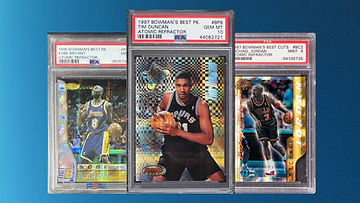
Bowman's Best earns a Tier Four slot because the styling is flashy and memorable, even if the long-term market pull is more selective than the products above it.
Why It Lands Here
It has enough design character to stay relevant for specific collectors even without the historical pull of Chrome, Finest, or Bowman Chrome.
Best Targets
Atomic-style refractors, key rookies, and the strongest low-pop inserts.

Topps Big Game fits the niche premium tier because it tried something different, but the brand's collector base never grew large enough to push it higher.
Why It Lands Here
There is real upside for collectors who like premium short-run Topps products, but the lane is much narrower than the tiers above it.
Best Targets
On-card rookie autos and the best low-numbered parallels from stronger rookie seasons.
.png)
Topps Tip-Off closes the board because it still belongs in the era's story, even if the long-term collector lane is much smaller than the other Topps releases above it.
Why It Lands Here
It is more of a completionist and sleeper-product play than a mainstream target, but it helps round out the full Topps-era picture.
Best Targets
Key rookies and the cleanest examples from years where the design clicked best.
Archive
The newest article leads the page, while the rest of the archive stays arranged as a clean portrait-first editorial grid.
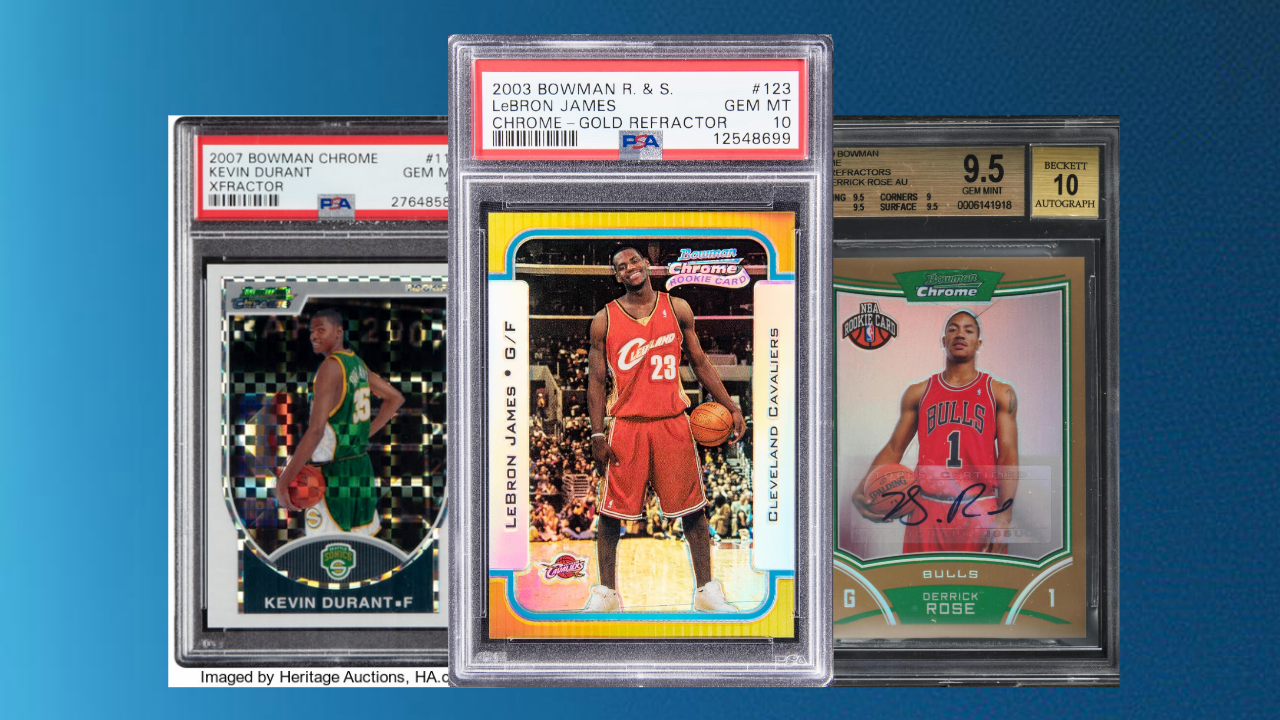
The Tier 2 Topps basketball sets represent some of the hobby’s most respected releases that just miss the absolute top tier. These sets offer strong collector value, notable rookie cards, quality design, and long-term appeal – albeit not quite on the legendary level of Tier 1 staples like Topps Chrome or Finest. In Tier 2, we find five key Topps brands: Bowman Chrome, Topps Stadium Club, Topps Pristine, Topps Gold Label, and Bowman Sterling.
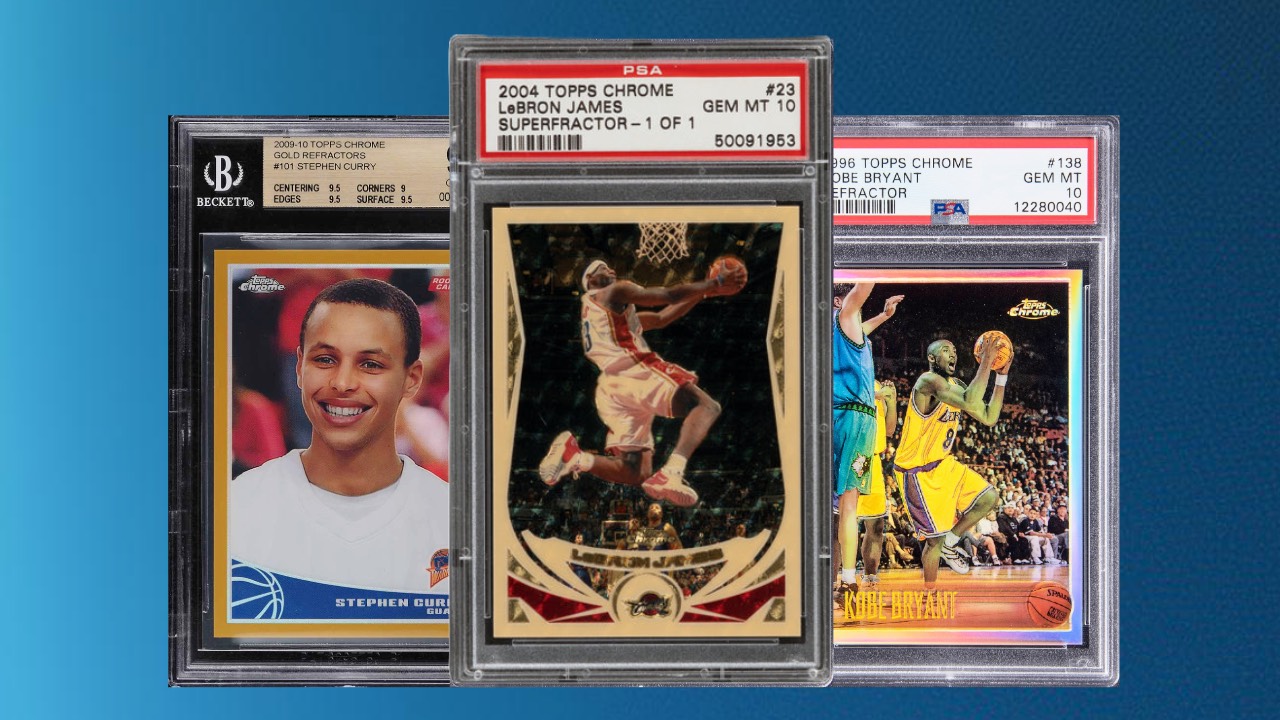
In this four-tier series, Tier 1 represents the pinnacle of Topps basketball card sets from 1992 to 2009. These sets excel in overall collector value, historical significance, rookie class strength, print quality, innovative inserts/parallels, and long-term appeal. Only two sets make the Tier 1 cut: Topps Chrome and Topps Finest. Both are legendary among collectors, having set benchmarks for design and collectability that shaped the Topps basketball brand for years to come.
BCI Dispatch
The main editorial site stays open. The email layer is for companion notes, watchlist changes, fresh rankings, and bonus download-style extras that make repeat visits worth it.