Best NBA Card Grading Companies (2026): PSA, BGS, SGC & CGC
Compare the best NBA card grading companies in 2026: PSA, BGS, SGC, and CGC, plus a full-cost checklist for deciding when grading is worth it.
By Brady, founder & editor
Last updated
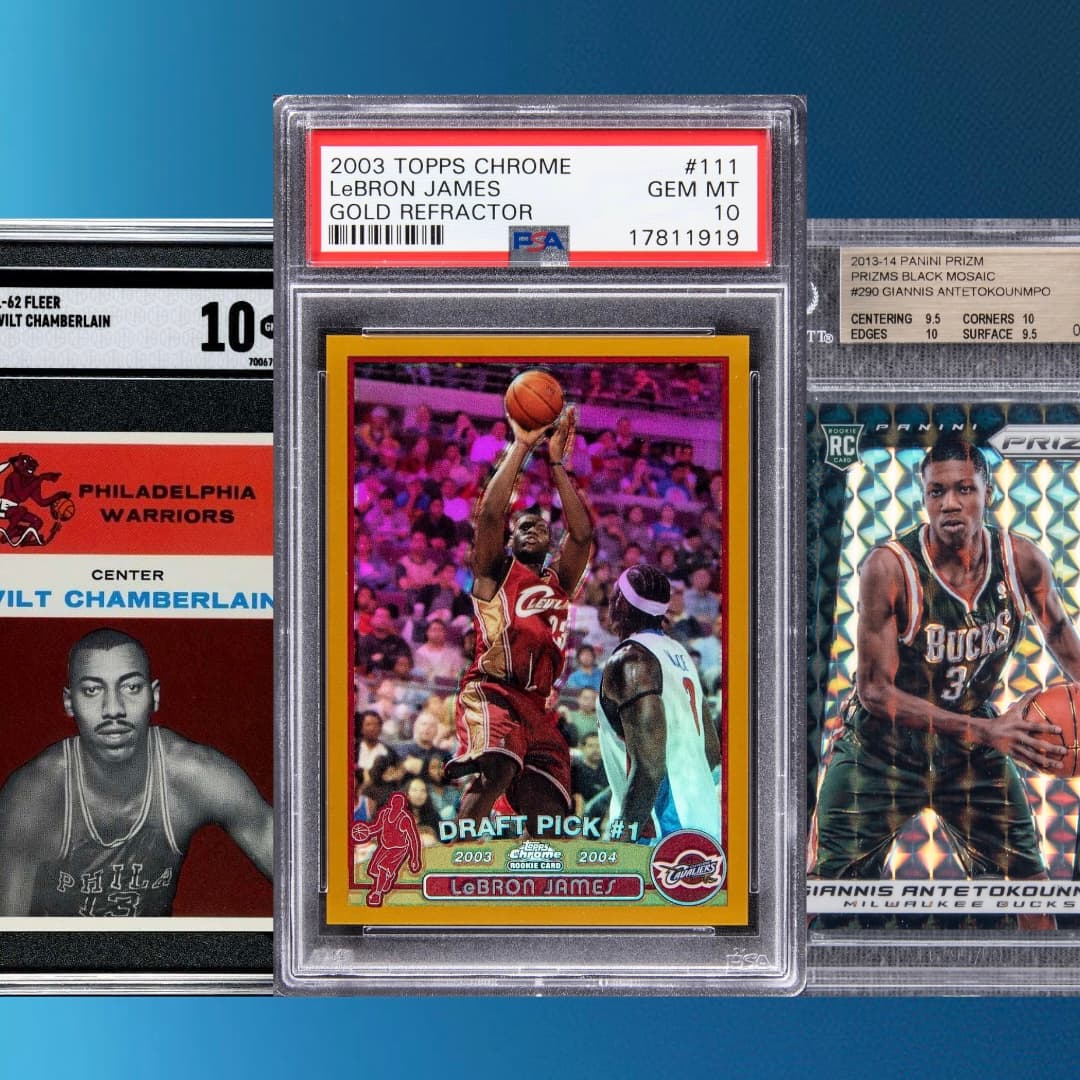
Quick answer: PSA is still the default first comparison for a mainstream basketball card you may resell, BGS is the clearest lane when visible subgrades are part of the card's appeal, and SGC or CGC can make sense when their total cost and same-card resale comps produce the better outcome. The right grader is the one that fits the exact card and your goal. It is not automatically the company with the cheapest advertised tier.
Grading prices, service availability, declared-value limits, and turnaround estimates change too quickly for a fixed fee table to stay honest. This guide was reviewed on July 26, 2026. PSA's official page was displaying a temporary pause on Value services that day, which is exactly why BCI links to each grader's live service page instead of freezing another soon-to-be-stale price chart.
Best grading company by collector goal
Company | Start here when... | Verify before submitting |
|---|---|---|
PSA | You want the broadest resale comparison for a mainstream modern rookie, flagship card, or recognized vintage issue. | |
BGS | Centering, corners, edges, and surface subgrades help explain the card, or the premium-card buyer pool already favors strong BGS examples. | |
SGC | You prefer the holder or service economics and same-card SGC sales show enough buyer support for your intended exit. | |
CGC | You are comparing an alternative slab, bulk lane, crossover, or autograph service and the market for the exact card supports it. |
BCI collector rule: compare the same card in the same grade across companies before you submit. A general statement about one slab selling for more is weaker than recent completed sales for the exact player, set, parallel, and grade you own.
When is grading a basketball card worth it?
Grading is worth considering only when the likely benefit is comfortably larger than the full grading risk. Use this worksheet before you put a card in a submission:
Estimate the raw value from verified completed sales for the exact card and condition range.
Estimate realistic grades, including the downside grade, not just the grade you hope to receive.
Compare same-card graded sales for those realistic outcomes.
Subtract every cost: grading, membership or submission fees, shipping both ways, insurance, supplies, marketplace fees, and the time the card is unavailable.
Demand a margin of safety. If the decision works only at a gem-mint result, it is a grade gamble rather than a clean submission.
Decision formula: expected graded sale proceeds minus selling costs, grading costs, and the card's raw value should leave a meaningful positive buffer across more than one plausible grade.
Pre-grade basketball card checklist
Centering: check front and back borders, tilted images, and miscuts.
Surface: inspect chromium under angled light for print lines, dimples, scratches, fingerprints, indentations, and roller marks.
Corners and edges: look for whitening, soft corners, chipping, dents, and foil lift.
Card construction: treat thick patch cards, die-cuts, acetate, and condition-sensitive dark borders as higher-variance submissions.
Authenticity and alteration risk: do not clean, trim, recolor, press, or otherwise alter a card to chase a grade.
Identity: confirm year, product, card number, parallel, serial number, and autograph or memorabilia variation before comparing value.
For chromium cards, use the basketball card parallel guide to confirm the exact parallel before you comp or submit it. Similar-looking Prizm, Optic, Select, Mosaic, and Chrome variants are not interchangeable.
PSA vs. BGS vs. SGC vs. CGC
Choose PSA when market comparability is the priority
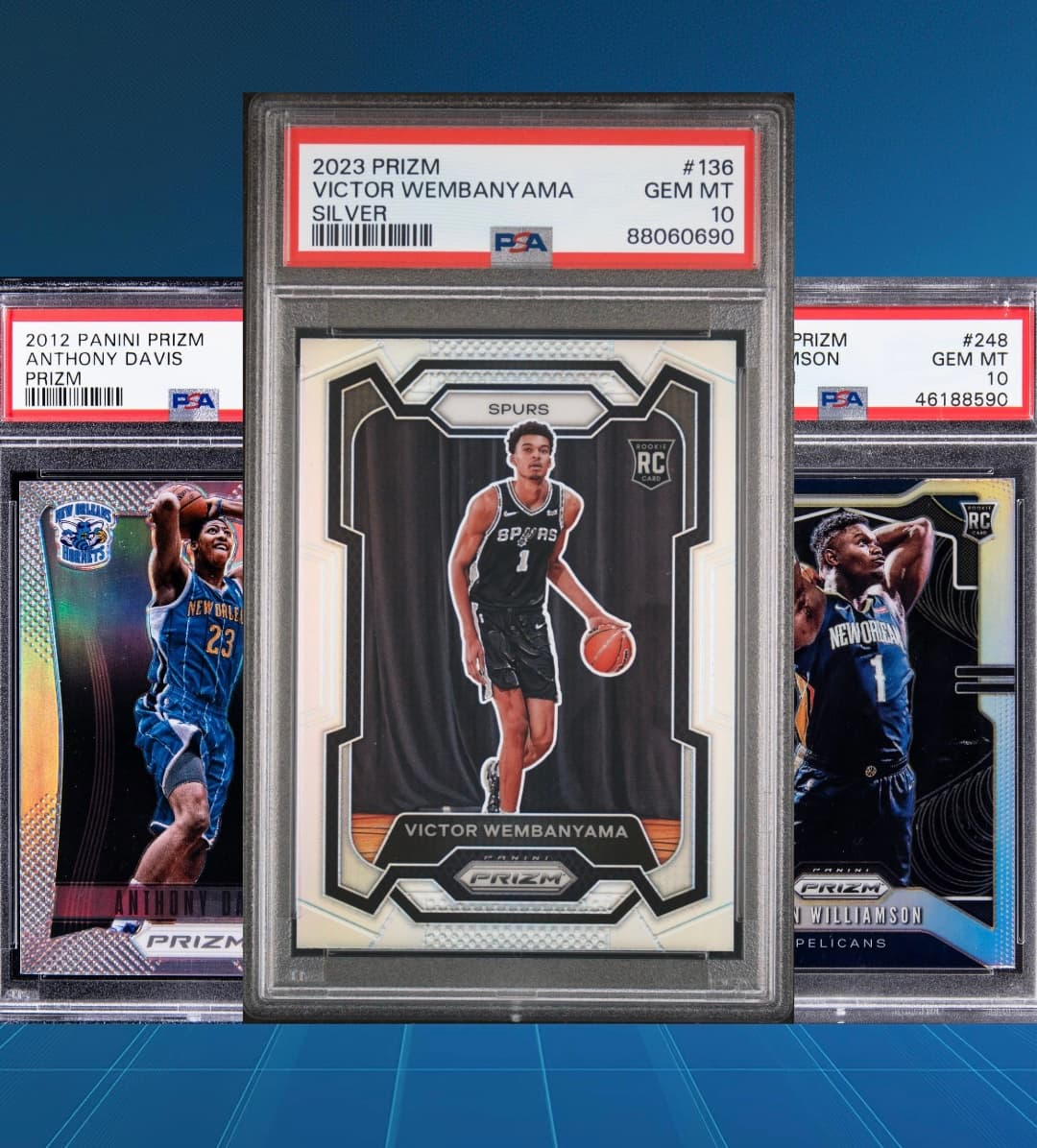
Start with PSA when you want the easiest same-card resale comparison for a widely traded basketball card. PSA also publishes a certification lookup, population data, and auction-price research. The tradeoff is that live service availability, declared-value tiers, and turnaround estimates can move, so check the official page on submission day.
Choose BGS when subgrade detail matters
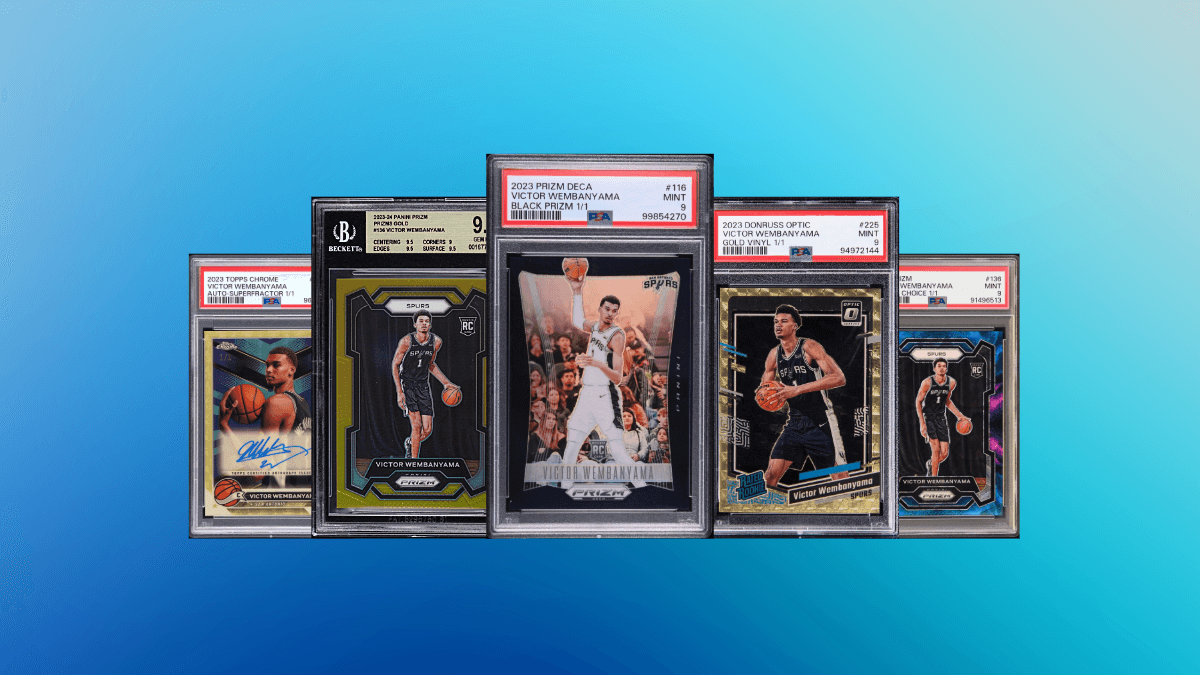
Beckett's current grading page says its card grades evaluate centering, corners, edges, and surface, with subgrade service options shown alongside the overall grade. That extra condition detail can be useful for visually strong chromium, autographs, and premium cards, but the label alone does not guarantee a better resale result. Confirm the exact-card buyer pool first.
Choose SGC when the economics and card fit work
SGC can be a practical lane when you like the presentation, the live fee and turnaround fit your plan, and verified SGC comps for the same card remain strong enough. Do not use a broad vintage reputation as a substitute for checking the actual card and grade you plan to sell.
Choose CGC when its service menu fits the submission
CGC's official services page publishes direct-submission tiers, value limits, current turnaround estimates, crossover rules, and autograph options. Compare those features with the same-card resale evidence. A lower submission cost cannot rescue a slab that the target buyer pool discounts more heavily.
Basketball card grading FAQ
Which grading company has the best resale value?
There is no honest universal multiplier. Start with recent completed sales for the exact card in the exact grade. PSA is the first comparison BCI uses for many mainstream basketball cards, but card type, era, grade, and buyer pool can change the answer.
Should I grade a modern basketball rookie card?
Only when the card is clean enough, the exact parallel has real demand, and multiple realistic grade outcomes still support the total cost. Mass-produced base rookies and common parallels often fail that test even when a gem-mint sale looks attractive.
Should I grade a one-of-one or very rare card?
Authentication, protection, and buyer confidence may matter more than a grade premium because there may be no same-card comp. For a unique card, weigh the risk of a low condition grade against the benefit of third-party authentication and encapsulation.
How do I check a card's value before grading?
Start with BCI's sold-comp checklist. Match the exact card and grade, use completed transactions, check the price basis and transaction costs, and acknowledge when the evidence is insufficient.
Bottom line
Do not grade a logo. Grade a specific card for a specific reason. The best submission starts with exact-card identification, conservative condition expectations, same-grade completed sales, and a full-cost calculation. If that work does not produce a clear edge, keeping the card raw is a valid collector decision.
Reading Progress
0%
Reading Map
14 sections
Best Next Move
Turn the vocabulary into actual collector judgment
Buy Smarter is the shorter decision layer for the same kinds of questions, with quicker calls on traps, budgets, and what actually deserves money.
BCI Dispatch
Make the next card decision with better context.
Get collector-first guides, rankings updates, verified sales, and the market context that matters before you buy.
Have a player, set, card, or budget question instead? Open the Collector Mailbag.
Continue reading